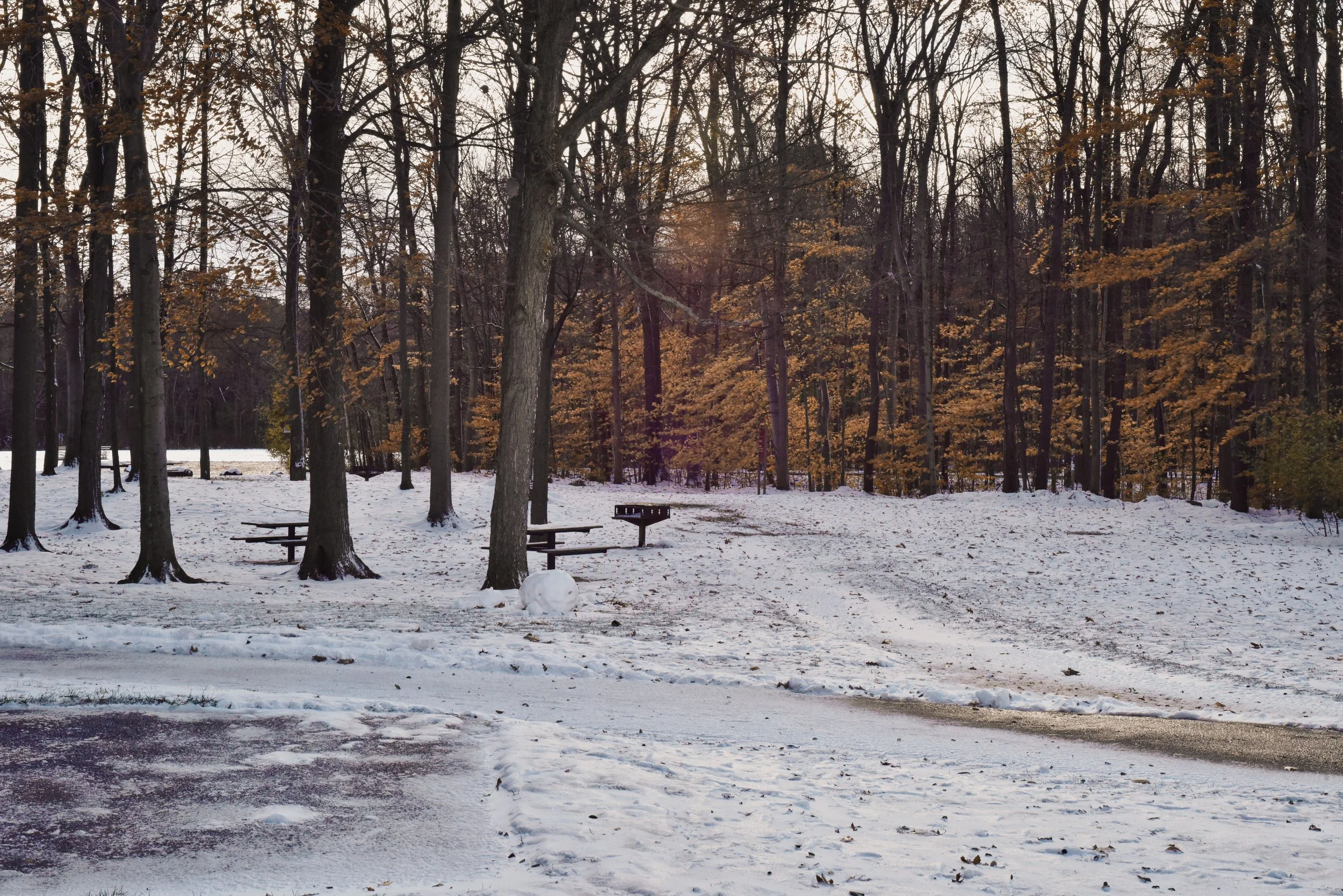
As the light of the sun continues to wane, the air cools, and rain pours from the gathering clouds, we enter the Early Winter season of Hemanta Rtu. This is one of the six Ayurvedic seasons, stretching from mid-November to mid-January. During this two month period, kapha starts to increase and vata becomes more irritable. Agni, our digestive fire, burns with elevated intensity, counteracting the darkness outside. This also means that more fuel is required to satiate the inner fire, which often comes with increased appetite. As kapha builds, more vigorous exercise becomes needed to balance the uptick in caloric intake, and to keep kapha and vata well-managed
As with any of the seasons, we want to adjust our diet, lifestyle, and exercise regimen to balance the qualities it brings with it. Being that Early Winter or Hemanta Rtu is characterized by cold, rough, and heavy, we want to balance those aspects with warmth, oiliness, and lightness, both visually and in terms of weight. We can do this, for example, by modifying our diet to include more warm, cooked, and well-spiced meals including soups, stews, and curries.
Vegetables may include; radishes, squashes, root vegetables, carrots, beets, brussel sprouts, onions, leeks, potatoes, mushrooms, and dark leafy greens to name a few. Fruits such as cooked apples and pears, persimmons, oranges, tangerines, and soaked prunes are also indicated. Grains such as oats, cornmeal, wheat bread, millet, and whole grain rice and legumes like northern white beans, kidney beans, green beans, etc. are also ideal. For our omnivorous friends, wild caught lean meats such as elk, venison, and fish can be appropriate in moderation. In terms of spices, cinnamon, cumin, fennel, garlic, black pepper, ginger, turmeric, and chili can be supportive, generating the inner warmth necessary to manage the season. Beverages should be warm-to-hot, leaning into herbal teas, or a cup of warm milk (various options available!) with turmeric before bed. A little more oil or ghee (clarified butter) is a seasonally-appropriate addition to many dishes.
With increased kapha and a more ravenous appetite to boot, vigorous exercise is all the more important if you're looking to prevent the added weight gain. Thus activities like a vinyasa yoga practice, working out at the gym, a long distance run, martial arts, indoor sports, or dancing are great options for burning calories, releasing endorphins, and boosting circulation. Ideally, exercise is incorporated first thing in the morning between 6 and 10am to get the blood pumping and help ground any agitated vata.
Taking a warm to hot shower at the beginning or end of the day, applying several drops of nasya oil to the nostrils, scrapping the tongue, and drinking warm water before meals to stimulate digestion are all good daily practices. Wearing bright, warm, and comfortable clothing helps to protect the body from cold and dryness while also lifting the mood. When navigating the outdoors make sure to keep your head, ears, and neck covered to prevent the intrusion of cold. With vitamin D in decline, it's also crucial to spend some time in the middle of the day exposing oneself to the light of the sun, whether it's clear or cloudy.
Massage & Ayurvedic offerings
And in addition to your daily self-care practices, here at The Buddha's Medicine we offer carefully curated packages to help you traverse the seasons regardless of your primary constitutional dosha/s. Our practitioners are trained to provide multiple tailored packages - each of three distinct Ayurvedic services - aimed at creating balance and promoting seasonal health and wellness for you. These packages are customized depending on your unique health needs and preferences.
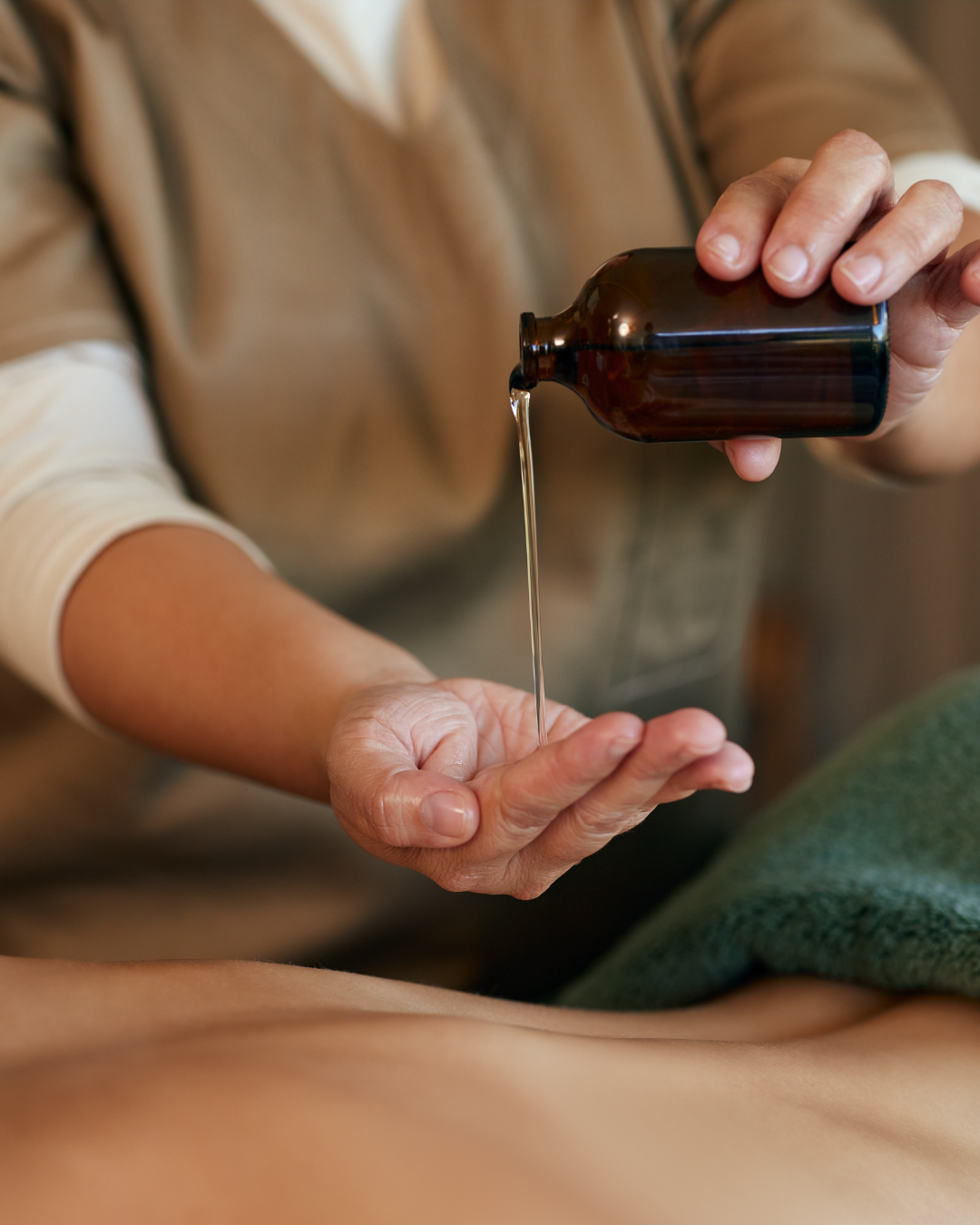
For individuals with constitutional vata dominance or otherwise high vata, we may suggest our Vata (Re)Vitalizer Package, which includes: abhyanga with warm sesame oil, shirodhara with dashamoola tea, and a local basti on an area of your choosing. For pitta-dominant folks whose fire may shine on even in winter, our Pitta Prescription Package: a dry silk glove garshana for lymphatic drainage, followed by a sesame (plus or minus avocado) oil-based abhyanga, and wrapped up with a dashamoola tea shirodhara. And for our kapha friends, the Kapha Collection Package: a garshana treatment, therapeutic deep-tissue vishesha massage, and capped with a chickpea flour and sesame oil udvartana scrub for breaking up kapha. And then there's our seasonally-aligned Breathe Better Package, which brings together a local basti for the lungs, a pinda sweda service using warm rice porridge and herb poultices, and a shiro'bhyanga-nasya, including head, neck, and shoulder massage with a eucalyptus steam bath for the sinuses, and an application of medicated oils to the nostrils.
We also offer some additional seasonal allies in the form of our Box Swedana treatments (personal cedar steam sauna) which help clear blockages, improve circulation, enhance respiration, and open the pores to more fully absorb topical medicines like herbal teas and medicated oils. And for our practice members exclusively, the garden barrel sauna is also available!
Many of these seasonal modifications are intuitive and yet, still others may be less obvious. And like so many other things in life it's easy for them to get off track. Taking time to meditate, slow down, and get in touch with the rhythym of the season can help you to more easily move with the wheel of the year.
Wishing you all a healthy early winter season!