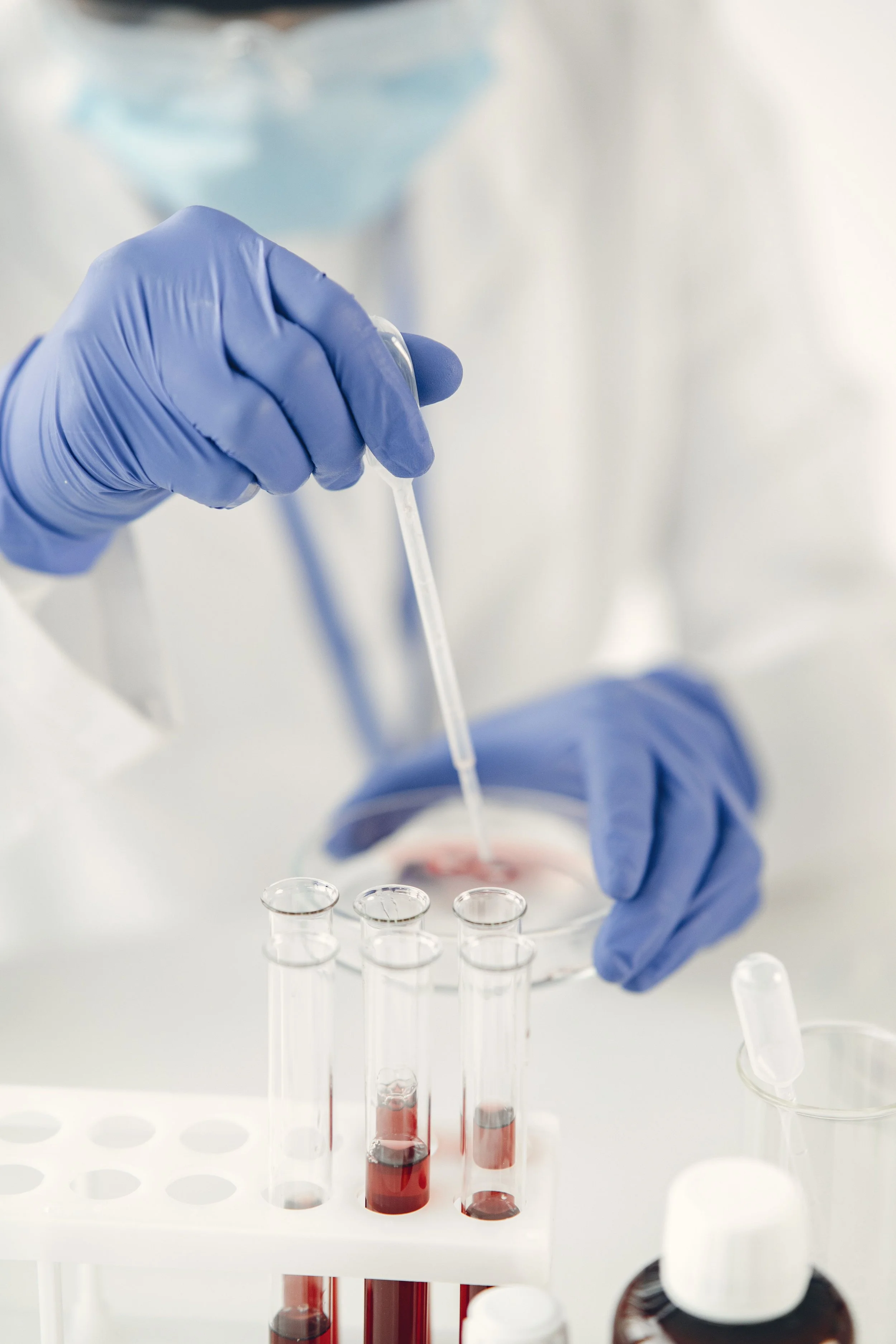
5 Tests Your Doctor Probably Hasn’t Run for You
If you've ever been to your primary care physician or specialist and walked away with blood work that says everything is "normal" - while you feel anything but normal - then you're not alone.
In fact, you're part of a growing cohort of folks who have encountered the growing gap between conventional testing and result reference ranges, and what optimal health actually looks like.
At The Buddha's Medicine, we regularly see patients who have already spent years chasing answers. They've followed the standard process: doctors' visits, basic labs, maybe the trial of a medication or supplement or two. But when those patients say, "I still feel terrible," the response is often, "Well, your labs are in range. Everything is normal."
We know that's not true. Being "in range" doesn't mean you're thriving. It means you're within the population average for your lab results - and that often is only with respect to the most commonly-run labs. But even when you get more detailed lab work, results can come back showing nothing out of the ordinary. We don't know how to test for everything under the sun; we can only run tests for measures that we have discovered through scientific study. Of course, scientific study is, in itself, an imperfect and unending process. And moreover, there are hundreds of lab tests out there that people pay for and receive that have not been fully peer-reviewed or scientifically validated in the first place, meaning we sometimes don't even know if we can draw helpful conclusions from those results!
All of that said, lab tests do have value. And sometimes, the difference between adequate and exceptional health can sometimes live in biomarkers that the most common lab panels simply don't touch.
Here are five tests your doctor probably hasn't run for you - and why they might be missing pieces in your health puzzle.
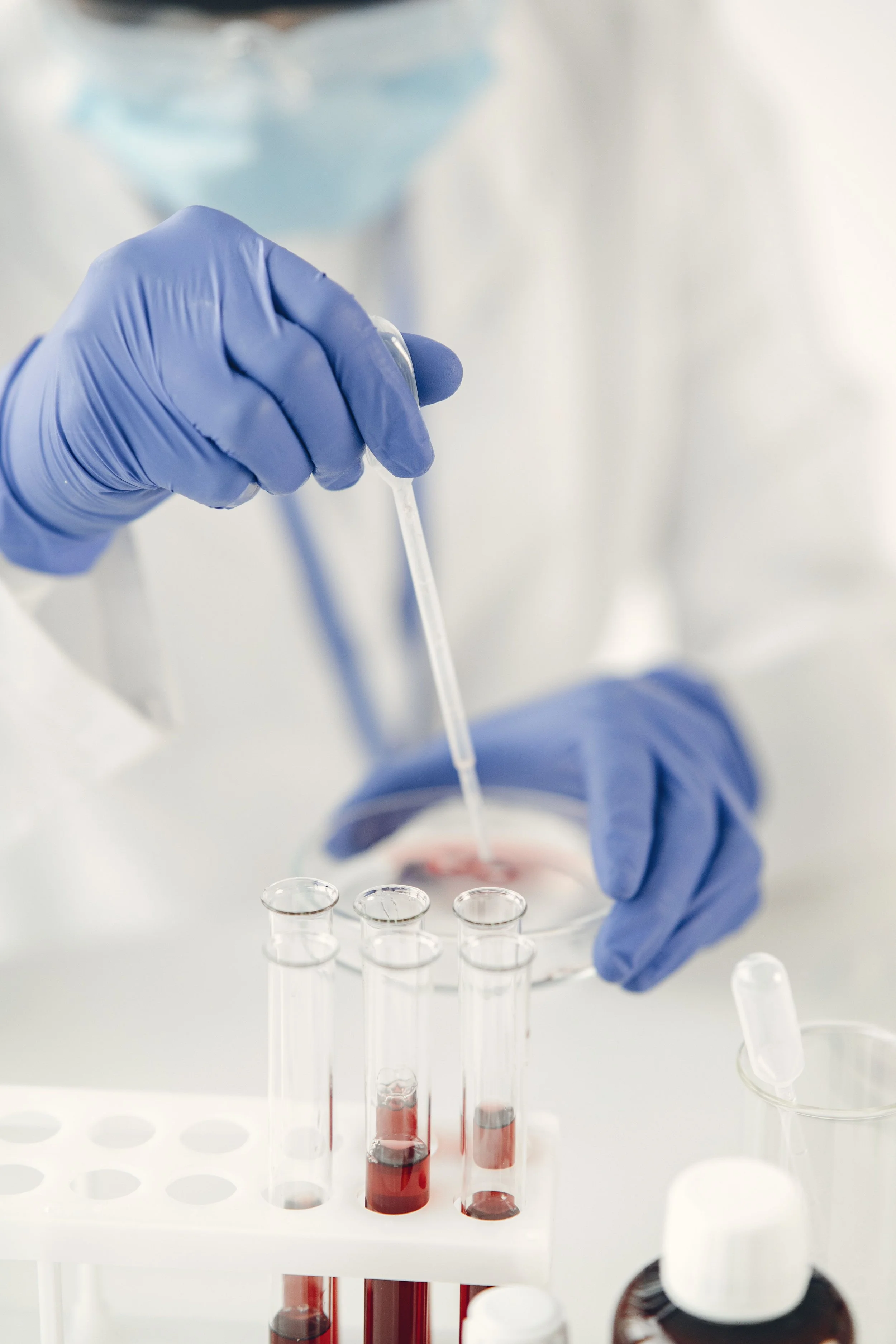
Red Blood Cell (RBC) Magnesium
The last time your doctor checked your magnesium - assuming they checked it at all - they probably checked your serum magnesium. And if that result came back "normal," you were likely told your magnesium status is fine.
But this test only samples from about 1% of your body's magnesium - the small fraction circulating in your bloodstream.
What's missing: Intracellular (inside the cell) magnesium levels via the RBC magnesium test. About 45% of your system's magnesium is present in the bodies of cells, while nearly all the rest is tied up in the bones of the body.
Why it matters: Over 300 enzymatic reactions depend on magnesium - ATP (the energy molecule) production, muscle relaxation, nerve signaling, DNA synthesis, and blood sugar regulation. When serum magnesium appears normal but cellular stores are depleted, you can feel fatigue, muscle cramps, anxiety, migraines, sleep disturbances, and more with seemingly normal labs.
The holistic view: We track RBC magnesium to assess actual tissue-level stores and reserves. Optimal levels are close to 6.5 mg/dL for many people, rather than the "low normal" of 4.0 mg/dL. A patient with chronic stress and insomnia might have a normal serum magnesium but depleted intracellular reserves, which can sometimes explain why common supplement doses might not be enough.
Who should consider this: Anyone with chronic fatigue, muscle cramps, anxiety, migraines, insomnia, or high-stress occupations, even if their serum magnesium is "normal."
The Ayurvedic lens: In our framework, magnesium deficiency often mirrors vata imbalance: dryness, irregularity, muscular and whole body tension, and nervous system hyperactivity. Correcting mineral depletion supports grounding, stability, and calm.
Serum Selenium
Selenium is a trace mineral, meaning the body only uses small amounts to function - but it has outsized importance. It's needed to activate and use thyroid hormones, for antioxidant body defense (through glutathione peroxidase), and immune system health and regulation. Yet it's almost never included in standard metabolic panels.
What's missing: Quantitative serum selenium levels. Simple!
Why it matters: Low selenium slows conversion of T4 (inactive thyroid hormone) to T3 (active thyroid hormone), potentially leaving you with slow thyroid function even when your TSH levels are normal. Low selenium also lowers the body's antioxidant levels, which increases oxidative stress and inflammation. And in autoimmune conditions like Hashimoto's, selenium deficiency has been linked to higher autoantibody levels and worsening health.
The nuance: Both low and high selenium levels are problematic. The optimal range is narrow, and soil depletion sometimes affects the amount we can get from food. If you're eating produce grown in mineral-poor soils or following a restrictive diet, your selenium status might be poor without obvious symptoms. On the other hand, supplementing too much or eating too many Brazil nuts can send levels through the roof, which weakens sugar metabolism, among other problems.
The holistic view: We often measure baseline selenium alongside thyroid function. When levels fall short, we personalize supplementation - sometimes dietary first (Brazil nuts, for example), sometimes targeted. And we can monitor to avoid overshooting.
Who should consider this: Anyone with thyroid dysfunction, autoimmune conditions, fertility challenges, or intense dietary restrictions.
The Ayurvedic connection: Selenium's role in antioxidant defense aligns with rasayana (rejuvenative medicine) principles. It supports ojas, the subtle essence of immunity and vitality, and regulates metabolism. Restoring trace mineral balance strengthens the body's innate healing capacity.
NMR Lipoprofile
Actually, the better question to ask is probably: what DO we know about peptides being traded outside of regulated channels?
Not very much!
Because when you purchase a vial labeled something like "BPC-157" from an uncertified source—straight-up—you don't actually know what's inside.
None of this is meant to fear-monger; it's meant to inform and empower you. In medicine—and especially in integrative medicine, where we take body, mind, spirit, and story seriously—safety must come first.
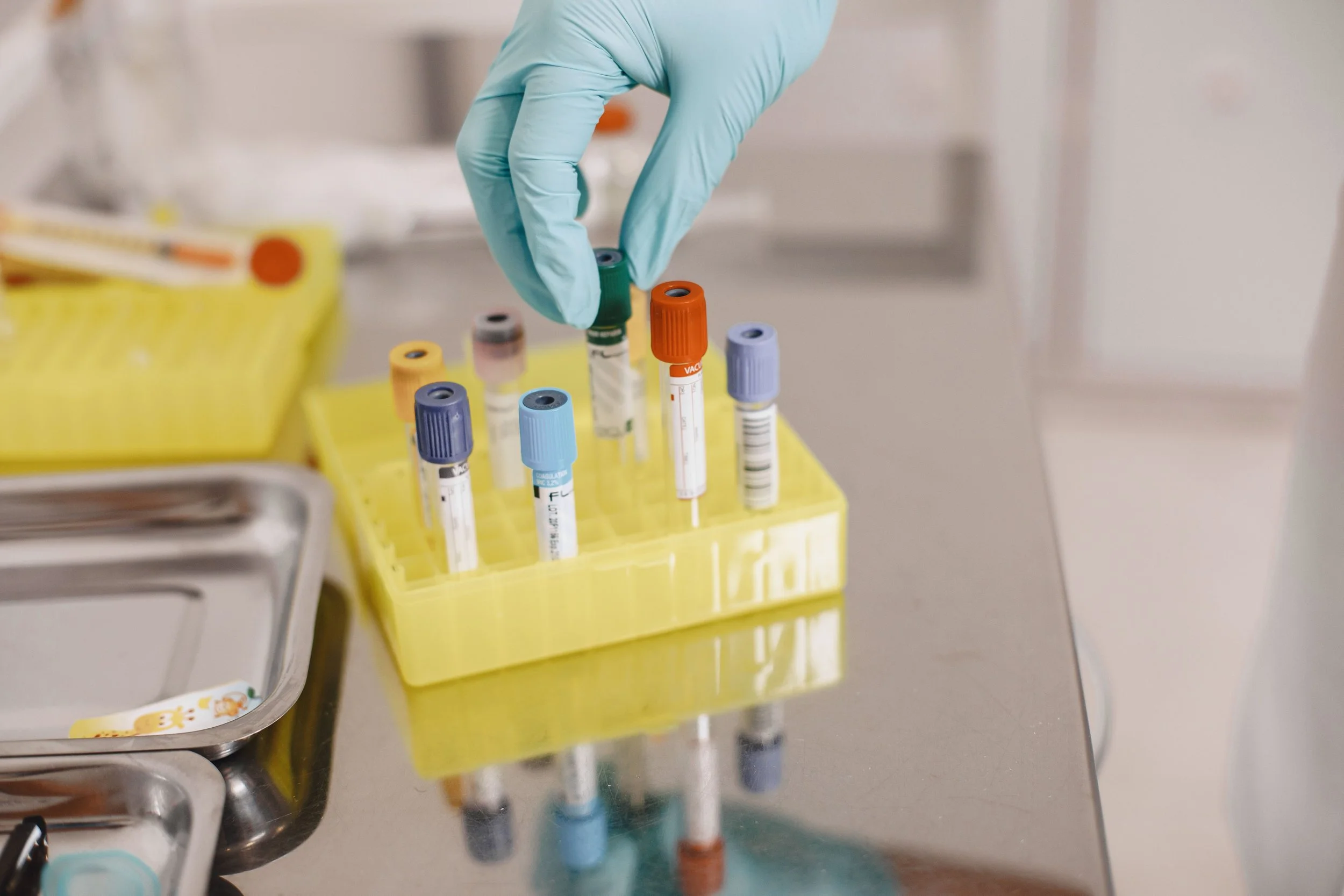
A typical cholesterol panel will give you your total cholesterol, LDL, HDL, and triglyceride (TG) levels. Those are the standard four. And some providers these days will run some related cardiovascular risk markers, like apolipoproteins A and B.
But these tests are incomplete, and often return ambiguous results. And importantly, these results don't report on a number of key data points, such as whether your LDL particles are large, fluffy, and low risk, or small, dense, and damaging to your arteries.
What's missing: Particle number (LDL-P), particle size distribution, and subclass breakdown of HDL and triglycerides.
Why it matters: Two patients with identical LDL-C (standard LDL cholesterol) can have vastly different heart disease and stroke risk profiles. One may have 1,000 large, fluffy, bouncy LDL particles; the other can have 2,000 small dense ones. The small dense particles penetrate artery walls more easily, oxidize quickly, and drive plaque formation and risk of heart attack far more aggressively.
The clinical picture: A patient might have LDL of 90 mg/dL - a pretty low-risk number overall. But an NMR profile might show us 1,800 LDL particles with predominantly small dense subfractions. That's a high-risk situation masked by a reassuring standard lab.
The holistic view: We use NMR profiling frequently at The Buddha's Medicine - including when standard risk assessment doesn't match the clinical picture, and also just when we could use more data. This is especially handy for providing folks with reassurance after they've been told they need a statin medication for their cholesterol. Oftentimes, that's just not correct. And lifestyle interventions are preferred over statins, anyway, but that's another topic for another time.
Who should consider this: Anyone with a family history of cardiovascular disease, metabolic syndrome, insulin resistance, persistent inflammation, and those seeking optimal prevention beyond "average" risk.
The Ayurvedic lens: Cholesterol management ties into kapha balance, and cardiovascular health involves all three doshas. The NMR lipoprofile gives us objective data on lipid metabolism while Ayurveda addresses the underlying constitutional drivers: diet, exercise, and lifestyle.
Epstein-Barr Virus (EBV) Studies
There is some chance your EBV capsid antigen IgG and IgM may have been checked if you had a visit for fatigue or mono-like symptoms. But these tests only tell you if you've been exposed. They don't tell you whether the virus is dormant or reactivating - and reactivation can drive a surprising amount of chronic illness.
What's missing: Full panel, including EBV nuclear antigen (EBNA), early antigen (EA), and quantitative PCR for viral load.
Why it matters: Epstein-Barr infects 90–95% of adults worldwide. For most, it remains latent in B-cells after the initial infection. But under conditions of chronic stress, immune suppression, or unresolved inflammation, EBV can reactivate. And that reactivation correlates strongly with chronic fatigue syndrome, fibromyalgia, autoimmune thyroid disease, and brain fog.
The clinical gap: A person might test positive for EBV IgG (past exposure) and be told, "You've had mono before, so this result is normal." Meanwhile, their elevated EA antibodies and detectable viral load could indicate acute reactivation—a different clinical problem requiring antiviral support, immune modulation, and stress management.
The holistic view: We can map the full EBV antibody profile to distinguish past infection from present reactivation. When viral reactivation is confirmed, we address that with integrated therapies, which mayinclude Ayurvedic rasayanas and nervine herbs that support immune and nervous system resilience.
Who should consider this: Anyone with chronic fatigue, "fibro fog," autoimmune conditions (or suspected autoimmune conditions), persistent sore throat, unexplained swollen lymph nodes, or flu-like symptoms without clear infectious cause.
The Ayurvedic perspective: EBV reactivation stems from vata and pitta that are trapped deep in majja dhatu - nervous tissue. Restoring healthy immune system function requires addressing both the pathogen and the terrain.
Thyroid Antibodies (Not Just TSH)
Your doctor has likely checked your TSH and maybe even free T4. If those came back "normal," you were probably told your thyroid is "fine." But this is a place where many folks - particularly women with undiagnosed Hashimoto's disease, fatigue, or unexplained weight changes - get stuck.
What's missing: Thyroid autoantibodies (TPO and TgAb). And frankly, also T3 levels and selenium (see above).
Why it matters: Elevated autoantibody levels indicate your immune system is actively attacking your thyroid tissue, even when hormone levels appear normal. This is Hashimoto's thyroiditis in an early enough stage when there is still living, functional thyroid tissue. We want to take advantage of that, whenever possible!
The holistic view: We track antibody trends over time alongside thyroid function. High antibodies signal that lifestyle interventions (stress management, diet modification, gut healing) and treatment for autoimmunity need to happen right that minute.
Who should consider this: Anyone (especially those born female) with fatigue, hair loss, weight changes, brain fog, or a family history of autoimmune disease, even when TSH is "fine."
The Ayurvedic perspective: Thyroid autoantibodies indicate that the body is attacking itself. This is an example of ojodushti: impaired ojas, that subtle essence of immunity and vitality, as discussed above.
Surprise Bonus! Ayurvedic Pulse Reading
We can virtually guarantee you your physician has not run this test on you - because most physicians (and providers more broadly) don't have this in their skillset! Ayurvedic pulse reading is about much more than counting the number of heartbeats you have per minute; it's about feeling into the nuance and character of your pulse to understand what your body wants to express about your doshas, dhatus (tissues), organs, and overall health. There's a surprising amount that the pulse can tell us!
What's missing: The education and skillset needed to perform this - it's not taught in western medical schools, and actually, many Indian Ayurvedic medical schools don't teach it these days, either!
Why it matters: Lab tests and imaging are very useful tools, and they only capture very specific data points. They cannot give us a comprehensive sense of what is going on in your system the way the pulse can.
The holistic view: There's not much to say here; there are few diagnostic tools as holistic as pulse reading!
Who should consider this: Literally everyone.
The Ayurvedic perspective: Our prana (life force) can be felt and interpreted through the pulse. The pulse carries a tremendous wealth of information, making it a wonderfully powerful diagnostic tool.
Why Haven't You Heard of These Tests, or Not Been Offered Them?
There are three main reasons:
1. Insurance coverage. These often fall outside of the most common panels that insurance regularly covers. Your doctor might recommend them, but if you're paying out-of-pocket, they may suggest conservative monitoring and management first, and testing them only at a later date.
2. Training limitations. Medical school teaches disease diagnosis and acute intervention. Integrative medicine training - which includes investigating root causes - is a postgraduate specialty. Many physicians and providers never learn that they can order these tests, let alone how to read the results.
3. Time constraints. Interpreting an NMR lipoprotein profile or full EBV serology takes real clinical time. In a 10-minute visit, there's often no wiggle room for deep-dive investigation.
The Bottom Line: Normal ≠ Optimal
The purpose of sharing about these tests isn't to convince you to demand a potentially expensive, detailed panel from your current physician. It's to validate something you already know: your symptoms are real, even if your lab results aren't alarming.
When conventional medicine hits a wall, integrative investigation is there to open new doors. When Ayurvedic assessment identifies imbalance at the constitutional level, modern biomarkers can confirm how well our treatment measures are working.
At The Buddha's Medicine, we bridge both worlds. We're one of the few true Ayurvedic practices led by a licensed physician in the United States, and the only one in the Pacific Northwest. That means:
Actual medical oversight of all holistic testing and treatment
The ability to interpret advanced diagnostics within clinical context
Integration of Ayurvedic assessment with detailed modern biomarkers
Custom protocols tailored to your prakriti (constitution) and vikriti (current imbalances)
ready to dig deeper?
If you've been told your labs are normal while you wrestle with unanswered questions, we'd like to hear your story. Our free 15-minute consultation is a no-obligation opportunity to discuss:
Your symptoms and history
What testing you've already completed
Whether deeper investigation is warranted
How our integrative approach differs from what you've experienced
Health isn't about hitting reference ranges. It's about restoring the vitality, clarity, and quality of living you deserve.
Schedule your free consultation today. We see patients locally in Portland (near Laurelhurst Park) or via telemedicine anywhere in the United States.
American Board of Integrative Medicine. Competency Guidelines for Functional Medicine. 2025.
Rude RK, et al. Intracellular Magnesium Assessment: Beyond Serum Testing. Nutrition Reviews. 2024.
Rayman MP. Selenium and Human Health: Mechanisms and Clinical Implications. Lancet. 2024.
Miller TW, et al. NMR Lipoprotein Subclasses and Cardiovascular Risk Prediction. Circulation. 2025.
Komaroff AL. Epstein-Barr Virus Reactivation in Chronic Fatigue Syndrome. NEJM. 2024.
The Buddha's Medicine. Integrating Ayurveda and Modern Medicine: Part 3. 2025.
Disclaimer: This content is entirely educational, and is in no way a substitute for individual professional medical advice. Individual results can vary. Always consult with a qualified healthcare provider before making changes to your health regimen.

Dr. Matt Van Auken, MD, MPH
Dr. Matt is an Ayurveda-trained, triple board-certified physician.